
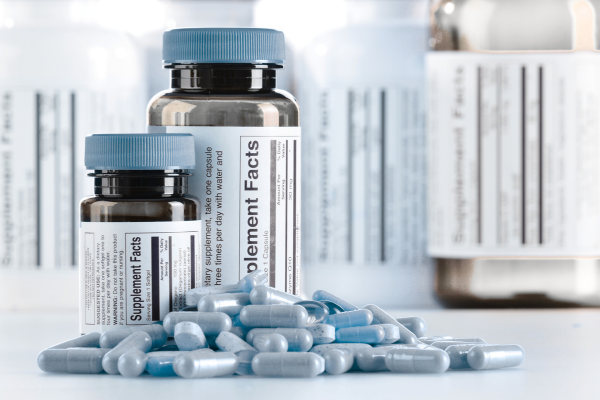
How far can you push your supplement claims before it becomes a medicine?
The UK supplement industry is booming – from wellness influencers to high-street brands, everyone seems to be selling vitamins, minerals, and herbal blends promising things such as better sleep, energy, and immunity. But how far can you push those claims before you cross a legal line? When does a health supplement become, in the eyes of UK law, a medicine? This is a critical question for any manufacturer or brand – and the consequences of getting it wrong can include product seizures, fines, or a ban from trading altogether.
The line between a supplement and a medicine
In the UK, food supplements are regulated as foods under the Food Supplements (England) Regulations 2003, while medicines fall under the Human Medicines Regulations 2012.
The key difference lies in how the product is presented, and what it claims to do.
According to the MHRA, a product is considered a medicine if:
- It is presented as having properties for treating or preventing disease.
- It is administered with a view to restoring, correcting, or modifying a physiological function by exerting a pharmacological, immunological, or metabolic action.
This means even if the ingredients are natural or commonly found in food, your product can still be legally classified as a medicine based on the claims you make and functions the product may have.
Acceptable supplement claims in the UK
You can make certain health claims in the UK, but they must follow UK nutrition and health claims regulations.
Here’s what you can do:
- Nutrition claims – e.g. “High in vitamin D” or “Source of calcium”
- Authorised health claims – e.g. “Vitamin C contributes to the normal function of the immune system”
Health claims must be taken from the Great Britain Nutrition and Health Claims Register and must be used exactly as authorised, or using equivalent wording without exaggeration. You cannot make up your own health claim or imply a disease benefit.
When you cross the line
The moment your product claims to:
- Treat or prevent a medical condition (e.g. “lowers blood pressure” or “cures eczema”)
- Have therapeutic effects (e.g. “anti-inflammatory” or “pain relief”)
- Replace medical treatment (e.g. “alternative to antidepressants”)
it becomes a medicine by function or presentation – and must be licensed by the MHRA before it can be legally sold.
Even vague or implied claims can cause problems. Saying something “targets anxiety” or “combats cancer cells” without using those exact medical terms still implies a medicinal effect.
What about testimonials and social media?
If your website or social media partner shares customer testimonials claiming your product “healed their IBS” or “reversed arthritis,” the MHRA may treat those as unlicensed medicinal claims, even if they weren’t written by you directly.
You’re responsible for all marketing, including third-party content that promotes your product.
In Summary
- Use only authorised health claims from the official register.
- Avoid disease names or treatment-related language.
- Keep your marketing within food supplement boundaries – supporting health, not curing illness.
- Seek advice or get your product label reviewed by a regulatory expert such as Fusion Pharma or trading standards if in doubt.
In the UK, it’s not the ingredient that determines whether a product is a supplement or a medicine – it’s the claims you make. With clear guidelines in place, you can market your product with confidence (supplement or medicine) but push too far, and the MHRA may come knocking. It is important to think about your product in the long term, what it can do and what you want to achieve. While a food supplement may be the easy route to market, the benefits that can be gained from having a licensed medicine with claims can far outweigh the speed to market, and build more trust with the consumer about having a quality and fully regulated product.
If you would like to discuss how Fusion Pharma can support you with this, please email us at hello@fusion-pharma-limited.com or phone us on +44 (0) 203 1379 799.
While the information in this article is considered to be true and correct at the date of publication, changes in guidance and/or experience may impact on the accuracy of the information. Please refer to the relevant guidance for the latest information.


